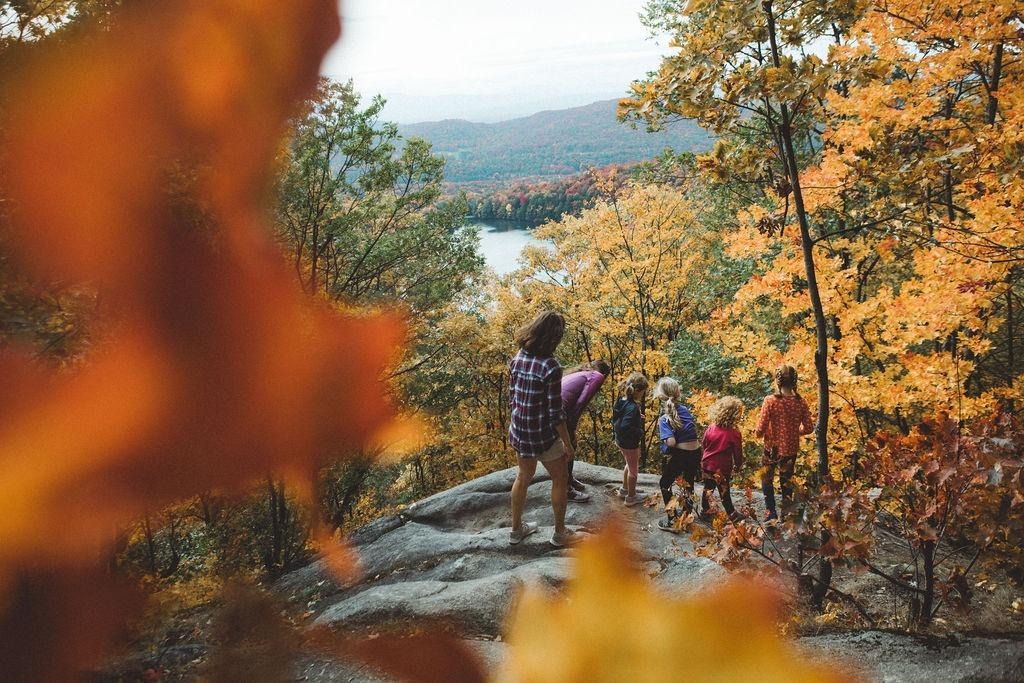
Explore Australia: Where Adventure Meets Unforgettable Memories
Introduction & Background
Australia stands as one of the world’s most sought-after travel destinations, a land where vast open spaces meet vibrant cities, and ancient landscapes are woven into modern adventures. With its unique wildlife, stunning coastlines, and rich Indigenous heritage, the country offers experiences that leave travelers with unforgettable memories. Whether you are a thrill-seeker, a nature lover, or a culture enthusiast, Australia promises a journey full of discovery and excitement. From the bustling streets of Sydney to the remote beauty of the Outback, every corner of this continent tells a story waiting to be explored.
Concept & Overview
Exploring Australia is not just about visiting landmarks, it is about immersing yourself in a diverse world shaped by geography and history. The country’s vast size and varied climates mean that one can experience tropical rainforests in Queensland, golden beaches in Western Australia, and snow-capped peaks in Victoria, all in a single trip. Australia’s Indigenous cultures, dating back over 65,000 years, add depth to its identity, while its modern cities pulse with creativity and innovation. Adventure here comes in many forms, from hiking through ancient rainforests to diving into the Great Barrier Reef, making it a paradise for those seeking both relaxation and excitement.
Key Features & Highlights
- The Great Barrier Reef: The world’s largest coral reef system offers unparalleled snorkeling and diving opportunities. Home to thousands of marine species, it is a must-visit for underwater enthusiasts.
- Uluru-Kata Tjuta National Park: This iconic sandstone monolith in the heart of the Outback is sacred to Indigenous Australians and provides breathtaking sunsets and sunrises.
- Sydney Opera House & Harbour Bridge: These architectural marvels define the skyline of Australia’s largest city, offering tours, performances, and stunning harbor views.
- The Great Ocean Road: A scenic drive along Victoria’s coastline, featuring the Twelve Apostles and lush rainforests, perfect for road trips and photography.
- Kakadu National Park: A UNESCO World Heritage site in the Northern Territory, known for its Indigenous rock art, waterfalls, and diverse wildlife.
- Tasmania’s Wilderness: Cradle Mountain and Freycinet National Park showcase rugged landscapes, pristine lakes, and unique wildlife like the Tasmanian devil.
- Melbourne’s Laneways: The city’s vibrant arts scene, coffee culture, and hidden street art make it a hub for creativity and urban exploration.
- Daintree Rainforest: One of the oldest rainforests on Earth, located in Queensland, it teems with biodiversity and offers eco-tours and river cruises.
Frequently Asked Questions / Pros & Cons
What is the best time to visit Australia?
Australia’s seasons are opposite to those in the Northern Hemisphere. The best time to visit depends on the region. For southern cities like Sydney and Melbourne, spring (September to November) and autumn (March to May) offer mild weather. Northern areas, such as Cairns, are best visited during the dry season from May to October to avoid heavy rains and cyclones.
Do I need a visa to travel to Australia?
Yes, most travelers require a visa to enter Australia. The most common is the Electronic Travel Authority (ETA), which allows short-term stays for tourism or business. Check the official Australian government website for the latest requirements based on your nationality.
Is Australia safe for solo travelers?
Australia is generally safe for solo travelers, with low violent crime rates and friendly locals. However, it is important to take standard precautions, such as staying aware of your surroundings, avoiding isolated areas at night, and keeping valuables secure. Remote areas require extra planning due to limited services.
What is the cost of traveling in Australia?
Australia can be expensive, especially in major cities and popular tourist spots. Accommodation, dining, and transport costs vary widely. Budget travelers can save by using hostels, public transport, and cooking meals. Domestic flights and tours also add to expenses, so planning ahead is key.
What are the top adventure activities in Australia?
- Surfing in Byron Bay: Known as one of the best surf spots in the world, with waves suitable for all levels.
- Hot air ballooning over the Outback: Offers a unique perspective of Australia’s vast landscapes.
- Hiking the Overland Track in Tasmania: A challenging six-day trek through stunning wilderness.
- Swimming with whale sharks in Ningaloo Reef: A once-in-a-lifetime experience in Western Australia.
- Sandboarding in the Simpson Desert: For those seeking an adrenaline rush in the red dunes.
Practical Guidance & Solutions
Planning a trip to Australia requires careful consideration to make the most of your adventure. Start by selecting the regions you want to explore, based on your interests. If wildlife and nature top your list, prioritize destinations like Kakadu or Tasmania. For city lovers, Sydney, Melbourne, and Brisbane offer culture, food, and nightlife. Consider booking flights and accommodations well in advance, especially during peak seasons.
When traveling between cities, domestic flights are efficient, but trains and buses provide scenic alternatives. For example, the Indian Pacific train journey from Sydney to Perth showcases the country’s diverse landscapes. Always pack for varying climates, even if visiting one area, as temperatures can shift dramatically.
To save money, look for multi-day tour packages that bundle activities and transport. Many operators offer discounts for booking online or in advance. Also, consider traveling during shoulder seasons to avoid crowds and high prices. If you plan to drive, remember that distances can be vast, so plan fuel stops and rest breaks carefully.
Health and safety are equally important. Australia has strict biosecurity laws to protect its ecosystems, so declare any food or plant items upon arrival. Sun protection is essential year-round due to the intense UV rays. Stay hydrated, especially during outdoor activities, and carry a reusable water bottle. If exploring remote areas, inform others of your plans and carry emergency supplies.
Conclusion
Australia is more than just a destination, it is an experience that stirs the soul and fuels the imagination. Whether you stand atop Uluru watching the sky turn crimson, dive into the turquoise waters of the Great Barrier Reef, or wander through Melbourne’s eclectic laneways, each moment creates a memory that stays with you forever. This land of contrasts invites you to step beyond the ordinary and embrace the extraordinary. So pack your bags, set your itinerary, and get ready to explore a country where adventure meets unforgettable memories.