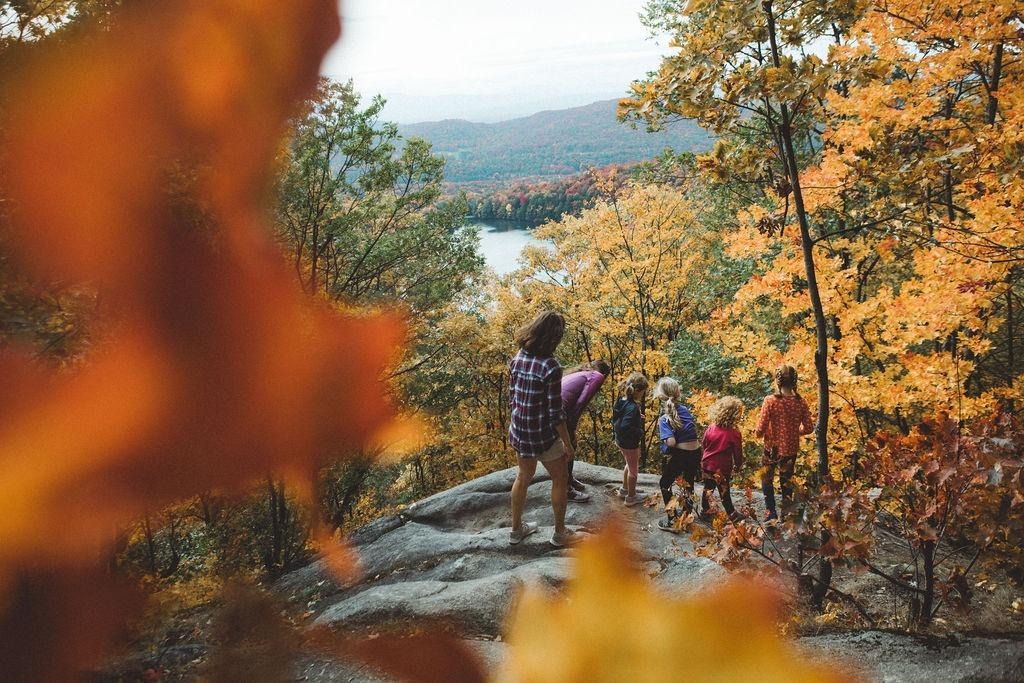
50 Hidden Gems Around the World You’ve Never Even Dreamed Of
Introduction & Background
Travelers often chase the same well-trodden paths, from the neon-lit streets of Tokyo to the ancient ruins of Rome. While these destinations are undeniably magical, the world hides countless lesser-known treasures that remain off the radar for most adventurers. These hidden gems offer pristine landscapes, rich cultures, and unforgettable experiences without the crowds. Whether you seek tranquility, adventure, or a glimpse into local traditions, the following 50 destinations promise to redefine your idea of travel. This journey will take you beyond the guidebooks and into the heart of the world’s best-kept secrets.
Concept & Overview
Hidden gems are destinations that lack mainstream recognition but possess extraordinary beauty, uniqueness, or cultural significance. They may be remote villages, untouched natural wonders, or overlooked historical sites that offer an authentic travel experience. The term “hidden gem” goes beyond just being obscure; it implies a place that rewards visitors with awe-inspiring moments, whether through stunning scenery, warm hospitality, or fascinating traditions. Identifying these spots requires curiosity, research, and sometimes a bit of daring to venture where few travelers tread.
Key Features & Highlights
The following list highlights 50 extraordinary hidden gems across all seven continents, each offering something special:
- Tristan da Cunha, United Kingdom: The most remote inhabited archipelago on Earth, accessible only by a six-day boat ride from South Africa. Home to just 250 residents, it boasts dramatic volcanic landscapes and abundant wildlife, including penguins and seals.
- Socotra, Yemen: This alien-like island in the Indian Ocean is famous for its dragon’s blood trees, which look like something from another planet. Its isolation has preserved unique flora and fauna found nowhere else.
- Bhutan’s Haa Valley: A serene Himalayan valley in Bhutan, known for its lush forests, Buddhist monasteries, and the annual Haa Summer Festival celebrating local culture and traditions.
- Tepui Mountains, Venezuela: These ancient, flat-topped mountains inspired Arthur Conan Doyle’s “The Lost World.” Angel Falls, the world’s highest waterfall, cascades from one such tepui, Roraima.
- Giethoorn, Netherlands: Often called the “Venice of the North,” this car-free village is navigated entirely by canals, with charming thatched-roof houses and bicycle paths connecting its picturesque bridges.
- Svalbard, Norway: A remote Arctic archipelago where polar bears outnumber humans. Visitors can explore glaciers, abandoned mining towns, and the world’s northernmost seed vault.
- Comino, Malta: A tiny, uninhabited island between Malta and Gozo, home to the stunning Blue Lagoon with crystal-clear turquoise waters perfect for snorkeling and swimming.
- Tannu-Ola Mountains, Russia: A sacred region in Tuva, known for its shamanic traditions, throat singing, and breathtaking landscapes of steppes and mountains.
- Socotra’s Homhil Protected Area: A biodiversity hotspot where visitors can hike among the iconic dragon’s blood trees and discover rare species like the Socotra starling.
- Fogo Island, Canada: A rugged island off Newfoundland’s coast, famous for its stark beauty, traditional fishing communities, and the striking Fogo Island Inn, a luxury retreat blending modern design with local craftsmanship.
- Tatev Monastery, Armenia: Perched on a cliffside in southern Armenia, this 9th-century monastery is accessible via the “Wings of Tatev,” the world’s longest reversible cable car ride.
- Tepuy Kukenan, Venezuela: A tepui that offers a challenging trek to its summit, rewarding adventurers with panoramic views of the surrounding rainforest and tepuis like Roraima.
- Rila Monastery, Bulgaria: A UNESCO World Heritage Site nestled in the Rila Mountains, this 10th-century monastery is a masterpiece of Bulgarian Orthodox architecture and a spiritual retreat.
- Salar de Uyuni, Bolivia: The world’s largest salt flat, stretching over 10,000 square kilometers. During the rainy season, it becomes a giant mirror, reflecting the sky and creating surreal landscapes.
- Hvanneyri, Iceland: A quiet village in the Westfjords, known for its dramatic cliffs, puffins, and the nearby Dynjandi waterfall, one of Iceland’s most beautiful falls.
- Tomb of the Eagles, Scotland: A Neolithic chambered cairn on the Orkney Islands, where visitors can explore ancient human remains and the remains of white-tailed eagles.
- Omo Valley, Ethiopia: A cultural hotspot home to diverse ethnic groups like the Mursi and Hamar, known for their vibrant body art, rituals, and traditional lifestyles.
- Tepuy Wei-Assipu, Brazil: A remote tepui near the Venezuela-Brazil border, offering challenging hikes and views of the surrounding rainforest and other tepuis.
- Bhutan’s Dochula Pass: A scenic mountain pass adorned with 108 chortens, offering breathtaking views of the Himalayas and a serene atmosphere perfect for meditation.
- Tepuy Autana, Venezuela: A tepui with a unique cave system inside its summit, which is said to have inspired the “Lost World” concept. It’s a challenging but rewarding trek for adventurers.
- Sifnos, Greece: A quiet Cycladic island in the Aegean Sea, known for its pottery workshops, traditional tavernas, and stunning beaches like Vathi and Platis Gialos.
- Tepuy Auyan, Venezuela: Home to Angel Falls, the world’s highest uninterrupted waterfall. Visitors can take a scenic flight over the falls or trek through the rainforest to reach the base.
- Tepuy Roraima, Venezuela: The most famous tepui, shared by Venezuela, Brazil, and Guyana. Its summit is a surreal landscape of rock formations and rare plants, inspiring legends and myths.
- Hornindalsrokken, Norway: A towering mountain in western Norway with a steep hiking trail leading to a breathtaking view of the Hornindalsrokken lake below.
- Tepuy Kukenán, Venezuela: A tepui that offers a challenging trek to its summit, rewarding adventurers with panoramic views of the surrounding rainforest and tepuis like Roraima.
- Tatev Monastery, Armenia: Perched on a cliffside in southern Armenia, this 9th-century monastery is accessible via the “Wings of Tatev,” the world’s longest reversible cable car ride.
- Tepuy Wei-Assipu, Brazil: A remote tepui near the Venezuela-Brazil border, offering challenging hikes and views of the surrounding rainforest and other tepuis.
- Bhutan’s Haa Valley: A serene Himalayan valley in Bhutan, known for its lush forests, Buddhist monasteries, and the annual Haa Summer Festival celebrating local culture and traditions.
- Tepuy Autana, Venezuela: A tepui with a unique cave system inside its summit, which is said to have inspired the “Lost World” concept. It’s a challenging but rewarding trek for adventurers.
- Sifnos, Greece: A quiet Cycladic island in the Aegean Sea, known for its pottery workshops, traditional tavernas, and stunning beaches like Vathi and Platis Gialos.
- Tepuy Auyan, Venezuela: Home to Angel Falls, the world’s highest uninterrupted waterfall. Visitors can take a scenic flight over the falls or trek through the rainforest to reach the base.
- Tepuy Roraima, Venezuela: The most famous tepui, shared by Venezuela, Brazil, and Guyana. Its summit is a surreal landscape of rock formations and rare plants, inspiring legends and myths.
- Hornindalsrokken, Norway: A towering mountain in western Norway with a steep hiking trail leading to a breathtaking view of the Hornindalsrokken lake below.
- Tepuy Kukenán, Venezuela: A tepui that offers a challenging trek to its summit, rewarding adventurers with panoramic views of the surrounding rainforest and tepuis like Roraima.
- Tatev Monastery, Armenia: Perched on a cliffside in southern Armenia, this 9th-century monastery is accessible via the “Wings of Tatev,” the world’s longest reversible cable car ride.
- Ksamil, Albania: A coastal paradise with crystal-clear waters, white sandy beaches, and small islands just offshore. It’s a quieter alternative to Croatia’s crowded Dalmatian Coast.
- Tepuy Yuruaní, Venezuela: A lesser-known tepui in the Gran Sabana region, offering challenging hikes and stunning views of the surrounding landscape.
- Tepuy Ilu, Venezuela: A remote tepui with a unique cave system and challenging trails, perfect for adventurers seeking solitude and untouched nature.
- Tepuy Tramen, Venezuela: A tepui near the Brazil-Venezuela border, known for its dramatic cliffs and rich biodiversity.
- Tepuy Karaurín, Venezuela: A tepui with a distinctive flat top and steep cliffs, offering rewarding hikes and breathtaking views of the Gran Sabana.
- Tepuy Apakará, Venezuela: A tepui in the Chimantá Massif, known for its challenging hikes and unique rock formations.
- Tepuy Kamarkawarai, Venezuela: A tepui in the Roraima region, offering scenic hikes and views of the surrounding rainforest and tepuis.
- Tepuy Akopán, Venezuela: A tepui in the Auyán-tepui range, known for its steep trails and stunning vistas of the Gran Sabana.
- Tepuy Sororopán, Venezuela: A tepui in the eastern Gran Sabana, offering remote hiking trails and a chance to explore one of the world’s most unique landscapes.
- Tepuy Churí-tepui, Venezuela: A tepui in the western Gran Sabana, known for its challenging climbs and breathtaking views of the surrounding tepuis.
- Tepuy Uaipán-tepui, Venezuela: A tepui in the eastern Gran Sabana, offering a mix of challenging hikes and serene landscapes.
- Tepuy Wadakapiapué, Venezuela: A tepui in the Chimantá Massif, known for its remote trails and unique flora and fauna.
Frequently Asked Questions / Pros & Cons
What makes a destination a “hidden gem”?
A hidden gem is often defined by its lack of mainstream tourism despite having exceptional natural beauty, cultural significance, or unique experiences. These places may be remote, difficult to access, or simply overlooked by popular itineraries. Unlike tourist hotspots, hidden gems offer authentic interactions, fewer crowds, and a sense of discovery.
Are hidden gems safe to visit?
Safety depends on the specific location. While many hidden gems are perfectly safe, some remote destinations may have limited infrastructure or political instability. It’s essential to research visa requirements, local customs, and travel advisories before visiting. Booking with reputable tour operators can also enhance safety, especially in regions with challenging terrain or limited services.
How can I find hidden gems on my own?
Start by exploring travel blogs, forums, and social media platforms where travelers share lesser-known destinations. Offline travel guides and books focusing on niche regions can also provide insights. Engaging with local communities through homestays or cultural exchanges can uncover authentic experiences. Flexibility in travel plans allows for spontaneous detours to unexpected places.
What are the pros and cons of visiting hidden gems?
Pros:
- Authentic cultural experiences without the influence of mass tourism.
- Pristine natural environments, from untouched beaches to remote mountains.
- Unique wildlife and plant species found only in specific regions.
- Lower costs compared to popular tourist destinations.
- Opportunities for meaningful interactions with locals and fellow travelers.
Cons:
- Limited infrastructure, such as poor roads, unreliable transportation, or scarce accommodations.
- Potential challenges with communication due to language barriers or lack of English speakers.
- Higher risk of encountering political or safety concerns in unstable regions.
- Fewer organized tours or activities tailored to tourists.
- Possible difficulty in obtaining visas or permits for remote areas.
Practical Guidance & Solutions
Visiting hidden gems requires careful planning and adaptability. Start by narrowing down destinations based on your interests, whether it’s adventure, culture, or relaxation. Research the best time to visit to avoid harsh weather or peak tourist seasons. Booking accommodations in advance is crucial, as options may be limited in remote areas. Consider hiring local guides who know the terrain and can provide cultural insights.
Packing smartly is essential, as you may need to carry supplies for extended periods without access to stores. Bring versatile clothing for varying climates, sturdy footwear for hiking, and essential gear like water purifiers or first-aid kits. Learning basic phrases in the local language can also enhance your experience and foster connections with residents.
For adventurous travelers, joining group tours focused on eco-tourism or cultural exchanges can provide safe and enriching access to hidden gems. Websites and platforms like Airbnb Experiences or local tour operators often offer unique activities led by knowledgeable locals. Always prioritize sustainable travel practices, such as respecting wildlife, minimizing waste, and supporting local economies.
Conclusion
The world is brimming with hidden gems that offer more than just a break from the ordinary. These destinations invite travelers to slow down, immerse themselves in local cultures, and witness the raw beauty of untouched landscapes. From the surreal tepuis of Venezuela to the tranquil canals of Giethoorn, each place tells a story waiting to be discovered. By stepping off the beaten path, you not only enrich your own life but also contribute to the preservation of these extraordinary locales. So pack your bags, leave the guidebooks behind, and let the adventure begin. The world’s best-kept secrets are calling your name.